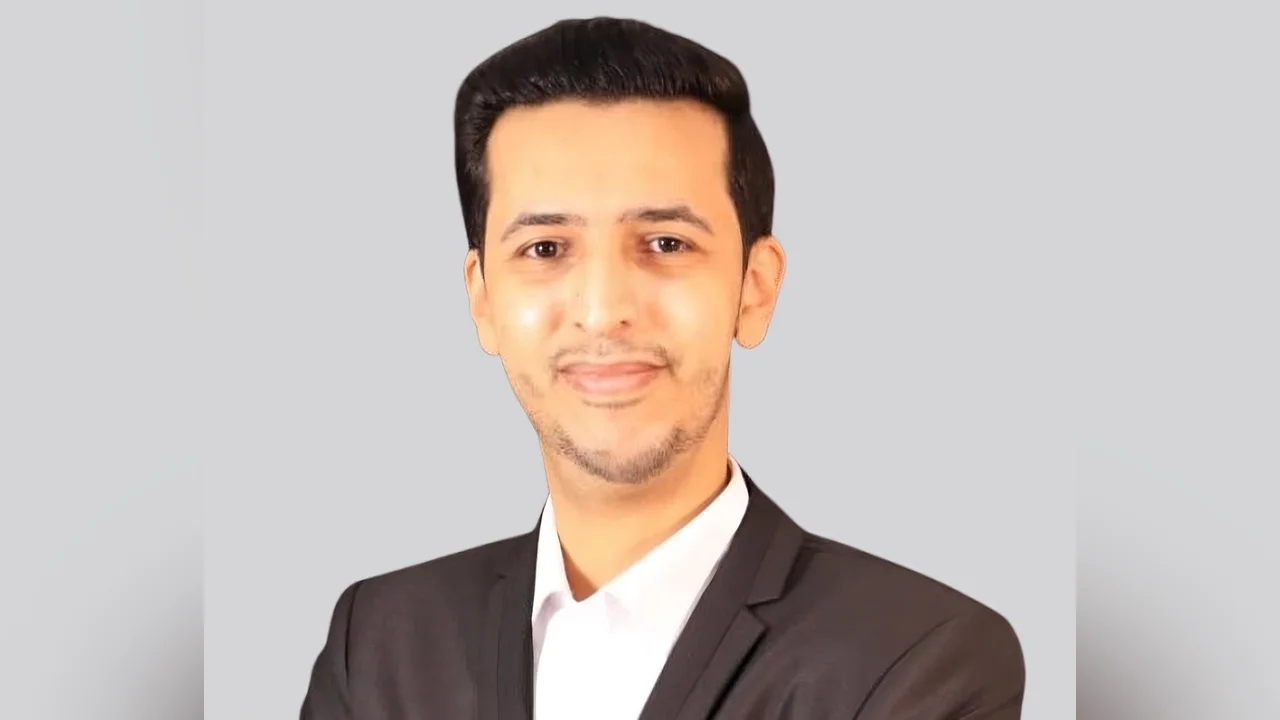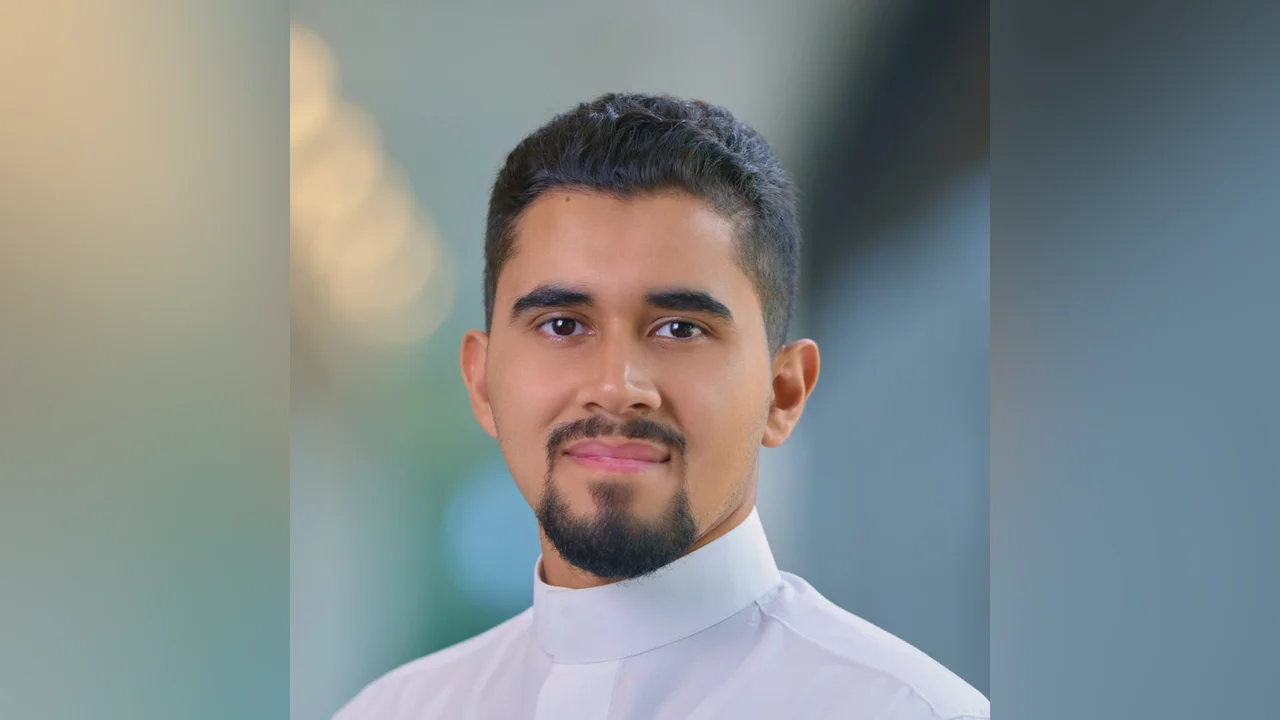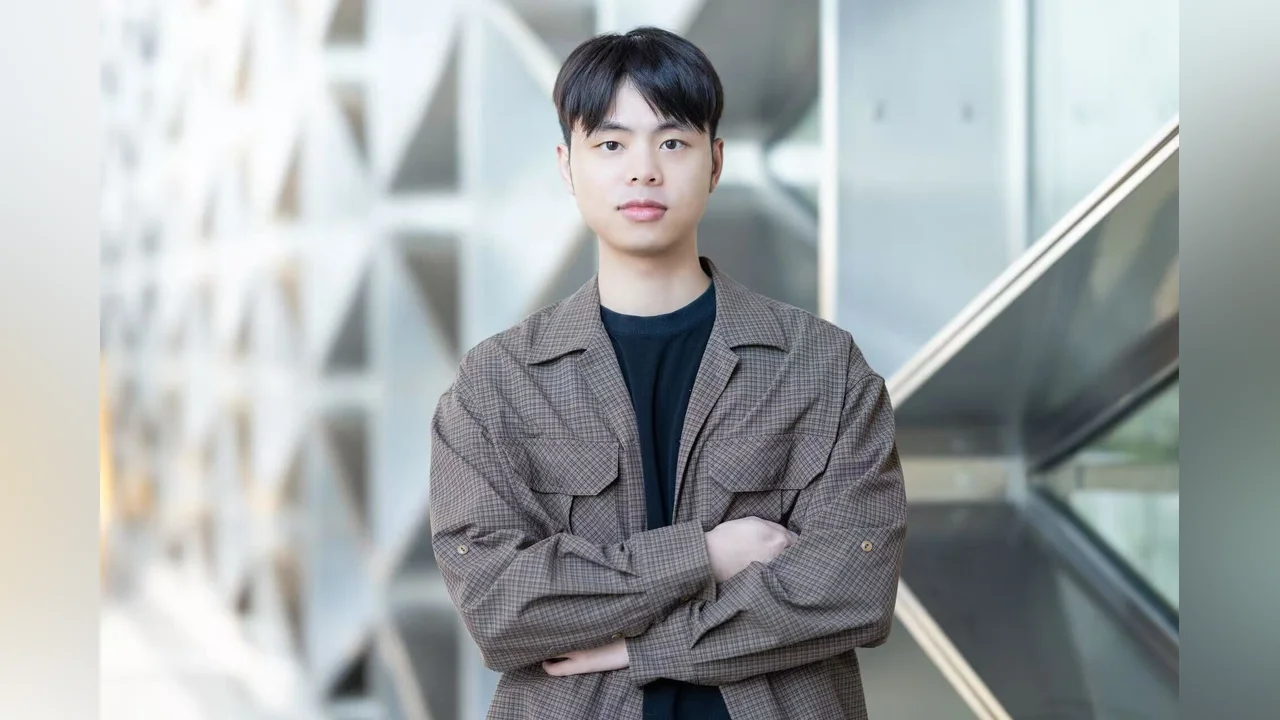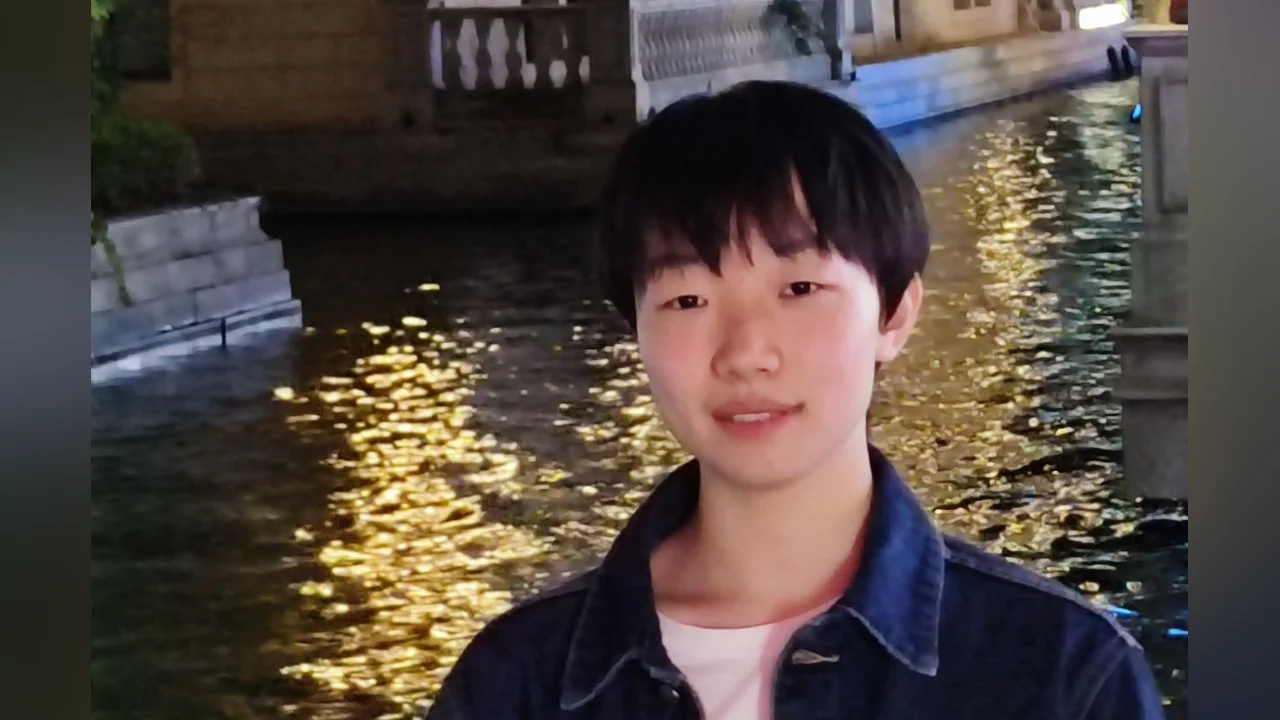
Profiles

Principal Investigators

Biography

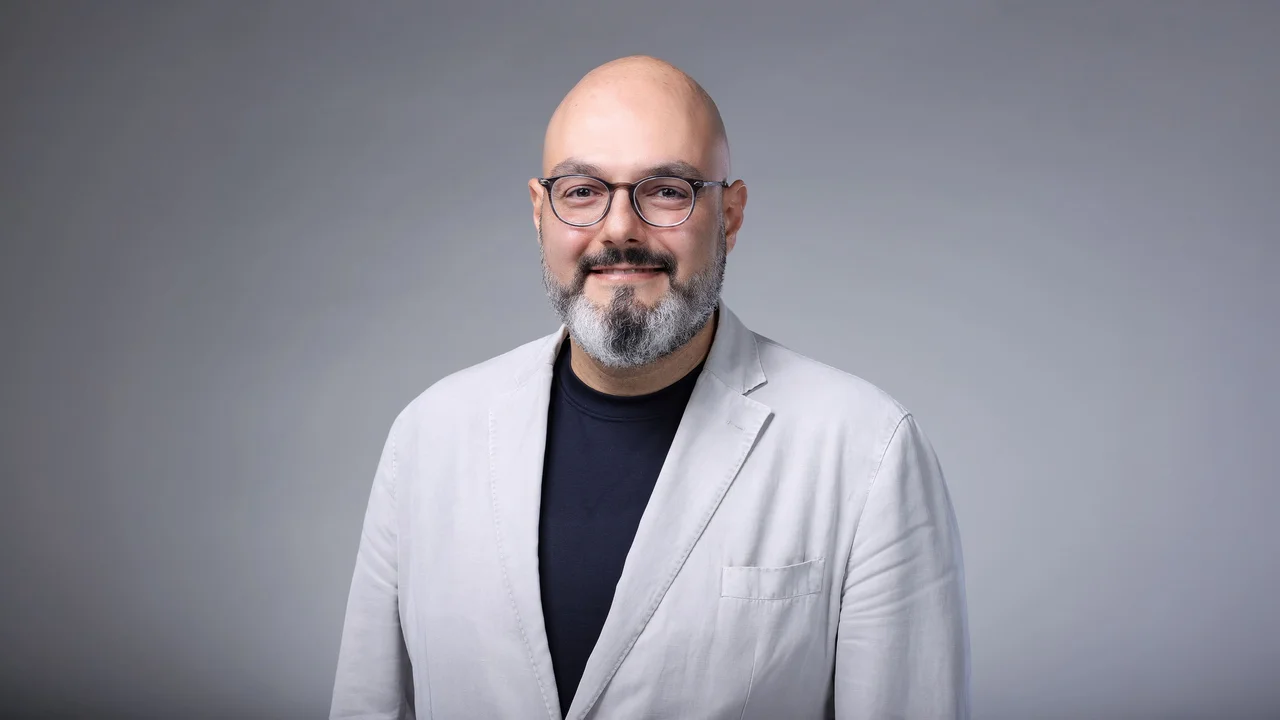
Professor Bernard Ghanem is the Chair of the KAUST Center of Excellence for Generative AI (GenAI) and a leading expert in computer vision and machine learning. He is a professor of Electrical and Computer Engineering (ECE) and the principal investigator of the Image and Video Understanding Lab (IVUL).

Ghanem's research focuses on computer vision and machine learning, particularly on large-scale video understanding, 3D scene comprehension and the foundation of machine learning.

At KAUST, Professor Ghanem's work bridges academic innovation and industry needs, advancing AI technologies through interdisciplinary collaborations. As Chair of the KAUST Center of Excellence for Generative AI, he leads efforts to establish world-leading excellence in GenAI research by developing the next generation of models that are efficient, trustworthy and tailored for widespread deployment.

His work supports solutions for the Kingdom's national Research, Development, and Innovation (RDI) priorities—Health and Wellness, Sustainability and Essential Needs, Energy and Industrial Leadership, and Economies of the Future—while accelerating the adoption of GenAI through translational research and talent development in collaboration with industry partners.

Professor Ghanem earned his Ph.D. in Electrical and Computer Engineering in 2010 and his M.Sc. in 2008, both from the University of Illinois at Urbana-Champaign (UIUC), U.S. He served as a graduate research assistant at the Computer Vision and Robotics Lab (CVRL) at the Beckman Institute for Advanced Science and Technology at UIUC.

Research Interests

Professor Ghanem’s research interests and expertise lie in:

  1. Robust, large-scale video understanding, including object tracking, activity recognition/detection, and retrieval.
  2. Visual computing for automation, including 3D object detection, 3D tracking, 3D indoor and outdoor navigation, and Sim2Real transfer learning.
  3. Development and analysis of foundational tools in computer vision and machine learning, including deep graph neural networks, neural network robustness and certification (Trustworthy AI), continual learning, and foundational models in vision and language.
Education
Doctor of Philosophy (Ph.D.)
Electrical and Computer Engineering, University of Illinois Urbana-Champaign, United States, 2010
Master of Science (M.S.)
Electrical and Computer Engineering, University of Illinois Urbana-Champaign, United States, 2008
Bachelor of Engineering (B.Eng.)
Computer and Communications Engineering, American University of Beirut, Lebanon, 2005

Research Scientists

Biography

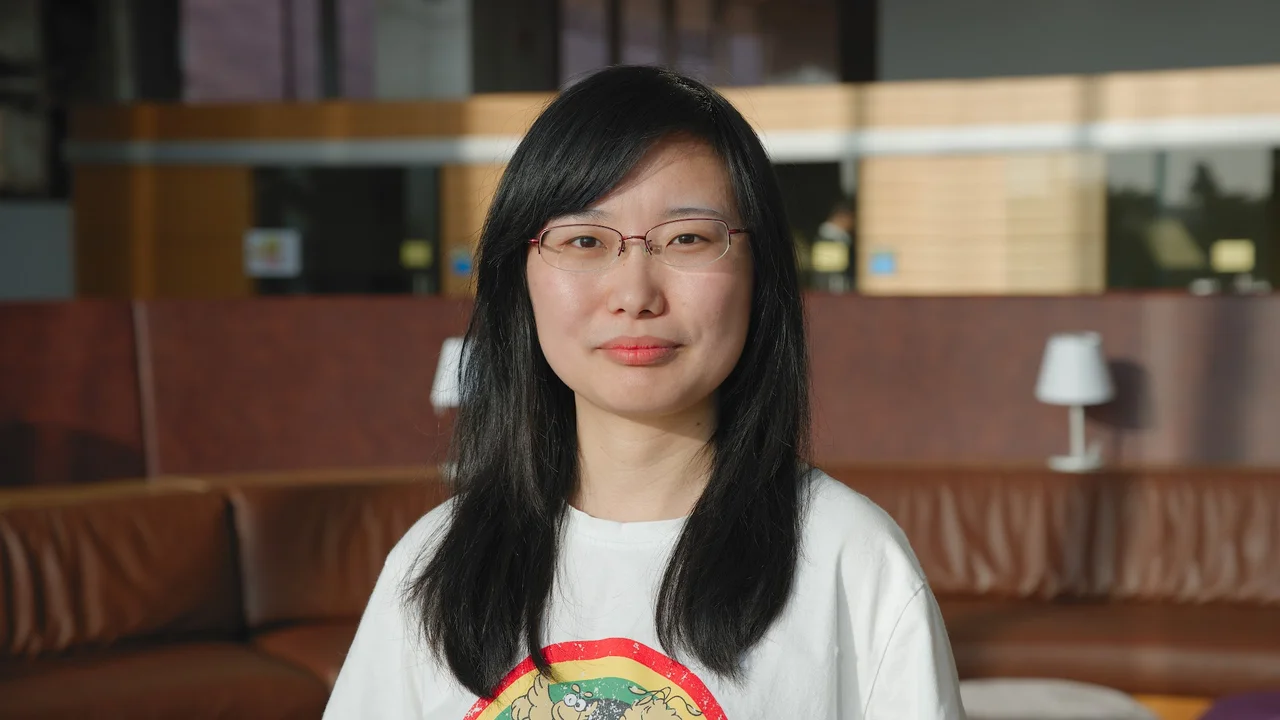
Bing Li received her bachelor’s degree in Computer Science from Jinan University, Guangzhou, China, in 2009. She holds a Ph.D. degree from the Institute of Computing Technology, Chinese Academy of Sciences, Beijing, China in 2016.

In 2016, Bing Li worked as a Postdoc Fellow at the University of Southern California, USA, before joining KAUST in the same role. Since 2024, she has been serving as a Research Scientist at KAUST.

Research Interests

She is mainly interested in Visual Content Analysis and Processing, Computer Vision and Machine Learning.

Education
Doctor of Philosophy (Ph.D.)
Computer Science, Chinese Academy of Sciences, China, 2016
Bachelor of Science (B.S.)
Computer Science, Jinan University, China, 2009
Biography

Silvio Giancola is a Research Scientist at KAUST, where he leads initiatives at the intersection of computer vision, artificial intelligence, and sports. He co-founded the SoccerNet project, a large-scale benchmark for soccer video understanding now adopted by hundreds of research groups worldwide. His research spans video understanding, 3D perception, and sports analytics, with applications ranging from athlete biomechanics to broadcast automation. Dr. Giancola has published more than 25 peer-reviewed papers, co-authored a book on 3D camera technologies, and organized workshops and challenges at premier conferences such as CVPR. At KAUST, he plays a central role in the newly established FIFA Research Institute, collaborating with FIFA and industry partners to translate cutting-edge AI research into real-world football solutions.

Research Interests

Silvio is mainly interested in Computer Vision, Deep learning, Sports, and Robotics.

Education
Doctor rerum naturalium (Dr. rer. nat.)
Mechanical Engineering, Politecnico di Milano, Italy, 2017
Master of Engineering (M.Eng.)
Mechatronics Engineering, Institut National des Sciences Appliquées (INSA), France, 2012
Biography

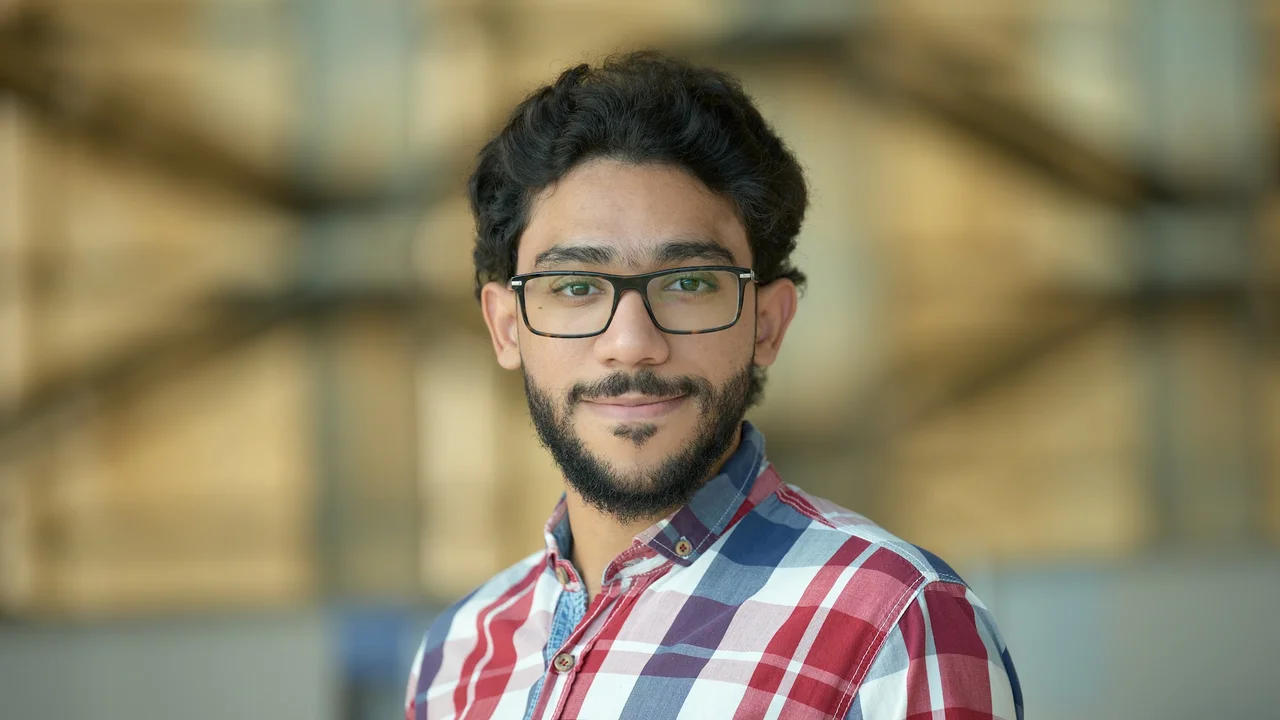
Dr. Slimane Laref is a distinguished research scientist specializing in chemical physics and physical chemistry. He’s widely recognized for his expertise in theoretical modeling and the prediction of new material properties. He earned his PhD in 2010 from ENS Lyon at the University of Lyon, France, where he developed a strong background in advanced materials science through computational methods.

Research and Expertise

Dr. Laref’s research focuses on understanding and predicting the fundamental behavior of materials, especially their structural, orbital, electronic, and optical properties. He works across several key theoretical and computational frameworks: Density Functional Theory (DFT): a quantum mechanical approach he uses to analyze the electronic properties and behavior of complex systems with precision. Machine Learning (ML) and Artificial Intelligence (AI): central to his current research, these methods help accelerate the discovery of new drugs and materials while improving the accuracy of computational predictions. Computational Approaches: toolkit includes molecular dynamics simulations, Monte Carlo techniques, empirical models, and the tight-binding method. These tools are highly effective for calculating bunch of properties such as binding energy, enthalpy, molecular states, electronic structures and studying materials at the atomic level.

Applications and Impact

Dr. Laref’s work focuses on materials that are essential for clean energy and environmental innovation. His research contributes to several high-impact areas: Environmental Technology: His studies on metal–organic frameworks (MOFs) aim to improve CO₂ capture efficiency, a crucial step in addressing global climate change. Next-Generation Devices: He explores advanced materials such as 2D van der Waals structures, semiconductors, and transition metal compounds. These materials form the foundation for cutting-edge technologies, including high-performance solar cells, sensors, and data storage systems. Through his theoretical insights, Dr. Laref provides the scientific foundation for designing and optimizing materials with enhanced performance. His work continues to drive progress toward sustainable, energy-efficient technologies that support a cleaner and more resilient future.
Research Interests

Chemical Physics and Physical Chemistry, focusing on the theoretical modeling and prediction of material properties.By leveraging advanced computational frameworks like Density Functional Theory (DFT) and Machine Learning (AI) to study the structural, electronic, and optical characteristics of materials. His impactful research is directed toward clean energy and environmental solutions, including the design of Metal-Organic Frameworks (MOFs) for efficient CO2​ capture and the optimization of 2D materials and semiconductors essential for next-generation solar cells and sustainable technology.

Education
Doctor of Philosophy (Ph.D.)
Chemistry, Ecole Normale Superieur de Lyon , France, 2010

Research Staff

Postdoctoral Fellows

Biography

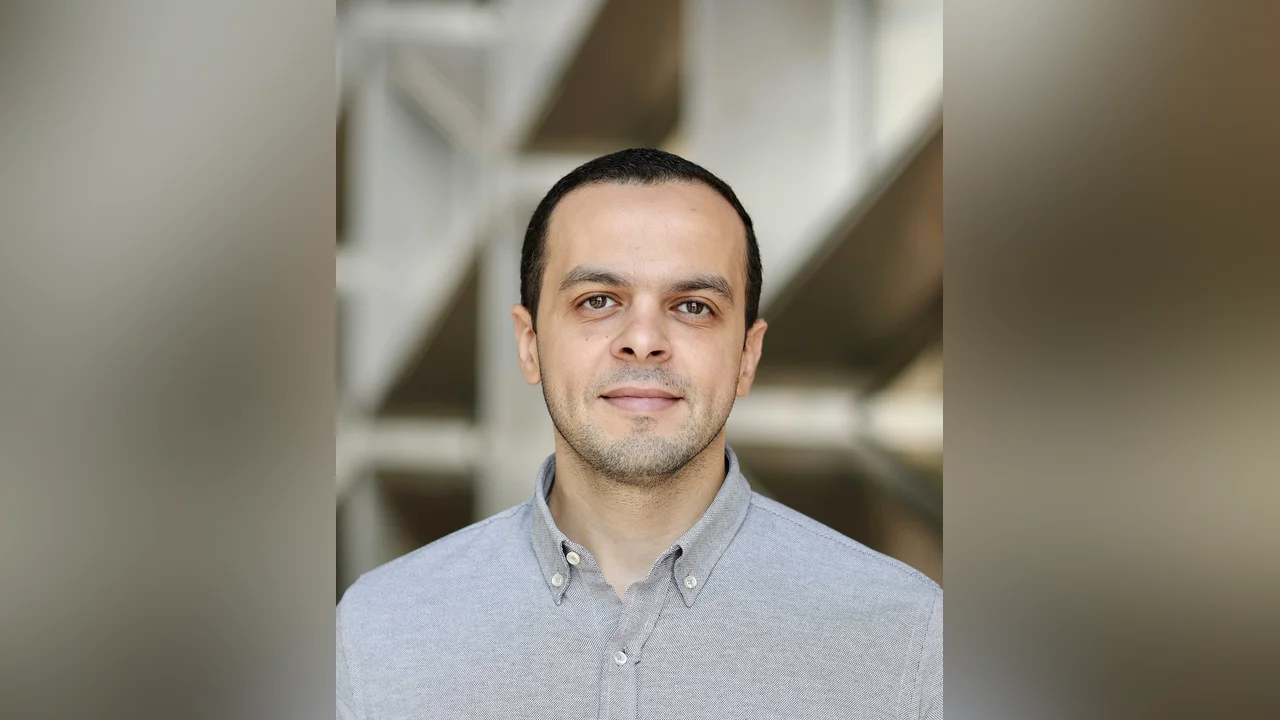
Abdelrahman Eldesokey is a Postdoctoral Fellow at King Abdullah University of Science and Technology (KAUST), specializing in Generative AI and Computer Vision. His research explores diffusion models, multimodal large language models, and vision foundation models, bridging perception and generation. He holds a Ph.D. in Computer Vision and Deep Learning from Linköping University, Sweden, and has over a decade of combined academic and industrial experience across Sweden, Egypt, and Saudi Arabia. His work has been published in leading venues including CVPR, ICCV, SIGGRAPH, NeurIPS, and ICLR, and focuses on advancing the controllability, interpretability, and reliability of modern generative systems.

Research Interests

My research focuses on Generative AI, particularly diffusion models, vision-language models, and agentic multimodal systems. I am interested in improving the controllability, interpretability, and reliability of generative models, bridging perception and generation. Additional interests include uncertainty-aware learning, 3D scene understanding, and AI evaluation for generative models in real-world settings.

Education
Bachelor of Science (B.S.)
Computers and Systems Engineering, Mansoura University, Egypt, 2011
Master of Science (M.S.)
Communication and Information Technology, Nile University, Egypt, 2016
Doctor of Philosophy (Ph.D.)
Computer Vision and Deep Learning, Linköping University, Sweden, 2021
Biography

Andres Villa received a bachelor's in Electronic Engineering at Universidad del Norte in Barranquilla, Colombia, in 2017. Moreover, he received his PhD in Computer Science at Pontifical Catholic University in 2023 in Santiago, Chile. Before joining KAUST, Andres was a teaching assistant for undergraduate and graduate students in the Engineering department at Pontifical Catholic University in Chile from 2019 until 2024. He was teaching subjects such as Deep Learning and AI Applications (VQA, Image Captioning, and Video Understanding). Andres was a Research Intern at IVUL from June 2021 to June 2022.

Research Interests

Andres focuses on Computer Vision, Continual Learning, Video Understanding, and Visual Language Models.

Education
Doctor of Philosophy (Ph.D.)
Computer Science, Pontifical Catholic University, Chile, 2023
Bachelor of Engineering (B.Eng.)
Electrical and Electronic Engineering, Universidad del Norte, Colombia, 2017
Biography

I completed my Ph.D. at the University of Amsterdam, advised by Prof. Cees Snoek. My area of interest is Video Understanding, with my PhD thesis focusing on Video-Efficient Foundation Models. I am particularly interested in training foundation models via self-supervised learning from multiple modalities of the video data.

Research Interests

Computer Vision, Video Understanding, Self-supervised Learning, Video Foundation Models.

Education
Doctor of Philosophy (Ph.D.)
Computer Science, University of Amsterdam, Netherlands, 2023
Master of Science (M.S.)
Computer Science, University of Bonn, Germany, 2019
Bachelor of Science (B.S.)
Computer Science and Engineering, N.I.T Srinagar, India, 2014
Biography

Gergo received his BSc from the Budapest University of Technology and Economics in 2017, his MRes from the University of Manchester in 2018 and his PhD from KAUST in 2023 in Chemical Engineering. He is a postdoctoral fellow in KAUST since 2023 focusing on the intersection of machine learning and material science.

Research Interests

Gergo's research has centered on data-centric membrane science and sustainable separations. He is the co-founder of the OSN Database, hosting the largest datasets for separation applications. Currently, he focuses on Self-driving laboratories and large-scale molecular learning for different industrial applications.

Education
Doctor of Philosophy (Ph.D.)
Chemical Engineering, King Abdullah University of Science and Technology, Saudi Arabia, 2023
Master of Research (MRes)
Chemical Engineering, The University of Manchester, United Kingdom, 2018
Bachelor of Science (B.S.)
Chemical Engineering, Budapest University of Technology and Economics, Hungary, 2017
Biography

Karen Sanchez is a Postdoctoral Researcher in the IVUL lab at KAUST, specializing in deep learning, machine learning, and artificial intelligence (AI) for healthcare applications. Her research focuses on video understanding, domain adaptation, generative AI, and methods for preserving patient privacy. She earned her PhD in Engineering, MSc in Electronic Engineering, and a Bachelor’s degree in Energy Engineering in Colombia.

Research Interests

Her research interests include video understanding, domain adaptation, generative AI, and preserving patient privacy, with a focus on deep learning, machine learning, and artificial intelligence for healthcare applications.

Education
Doctor of Philosophy (Ph.D.)
Electrical and Electronic Engineering, Universidad Industrial de Santander, Colombia, 2023
Master of Science (M.S.)
Electrical and Electronic Engineering, Universidad Industrial de Santander, Colombia, 2019
Bachelor of Engineering (B.Eng.)
Energy Engineering, Universidad Autónoma de Bucaramanga, Colombia, 2016
Biography

Merey Ramazanova is a Postdoctoral Researcher in the IVUL lab at KAUST. She pursued her PhD supervised by Professor Bernard Ghanem, with whom she also completed her Master’s degree. Her research focuses on egocentric video understanding, including multimodal modeling, action localization, and test-time adaptation under missing modality conditions. She also completed a research internship at Adobe.

Research Interests

Merey research focuses on data science, computer vision, and machine learning.

Education
Master of Science (M.S.)
Computer Science, King Abdullah University of Science and Tehnology (KAUST), Saudi Arabia, 2020
Bachelor of Science (B.S.)
Computer Science, Nazarbayev University, Kazakhstan, 2018
Doctor of Philosophy (Ph.D.)
Computer Science, King Abdullah University of Science and Technology KAUST, Saudi Arabia, 2025
Biography

I defended my PhD thesis from KFUPM in January 2024. My thesis was about assessing the importance of morphology in language understanding for Arabic. I am the co-founder of arbml an open source initiative to support Arabic NLP research and tools. I am also a founding member of fihmai, which targets publishing resources that enrich AI content in Arabic. I was part of multiple open science projects like BigScience and Cohere for AI and helped the efforts to support Arabic NLP understanding in such initiatives.

Education
Doctor of Science (DS)
Computer Science, King Fahd University of Petroleum and Minerals, Saudi Arabia, 2024

Students

Biography

I hold a Bachelor’s degree in Mechatronic Engineering from Universidad Autónoma de Bucaramanga, a Master’s in Artificial Intelligence and Robotics from the International University of Applied Sciences in Germany, and am pursuing an M.Eng. in AI at the University of Cincinnati. My early career combined machine learning engineering and software development, leading projects in computer vision, NLP, and robotics. I have contributed to AI solutions in retail, UAV systems, and edge devices, and authored professional courses on neural networks and computer vision.

Research Interests

My research interests include computer vision, deep learning, and AI for robotics. I focus on developing perception and reasoning systems for real-world applications, such as retail analytics, UAV navigation, and edge computing. I am also interested in reinforcement learning and multimodal AI systems that combine visual, thermal, and language data.

Education
Master of Engineering (M.Eng.)
Artificial Intelligence, University of Cincinnati, United States, 2025
Master of Science (M.S.)
Artificial Intelligence and Robotics, International University of Applied Sciences, Germany, 2023
Bachelor of Science (B.S.)
Mechatronic Engineering, Universidad Autónoma de Bucaramanga, Colombia, 2020
Biography

Alejandro Pardo is a final-year Ph.D. student at KAUST, advised by Prof. Bernard Ghanem. His research explores the intersection of computer vision and creativity, with a focus on automating video editing using generative models. He previously earned his M.Sc. under Pablo Arbeláez and has interned at Intel's Embodied AI Lab and Adobe Research. Alejandro is passionate about bridging technology and storytelling.

Research Interests

He is specialized in Image processing and analysis, and interested in topics related to the investigation in Artificial Intelligence and Computer Vision. Besides that, he’s knowledgeable in machine learning and deep learning.

Education
Master of Science (M.S.)
Biomedical Engineering, University of Los Andes, Colombia, 2018
Bachelor of Engineering (B.Eng.)
Artificial Intelligence in Electronics Engineering, University of Los Andes, Colombia, 2017
Bachelor of Engineering (B.Eng.)
Artificial Intelligence in Biomedical Engineering, University of Los Andes, Colombia, 2017
Biography

Bachelor of Science in Kazakhstan Branch of Lomonosov Moscow State University Major study was  'Applied Mathematics and Computer Science' and minor 'Control Theory for Nonlinear Dynamic systems and processes' 1 year of experience as ML Engineer in R&D team at a startup BSc diploma project 'Developing mathematical model for drones group patrolling using reinforcement learning'

Research Interests

Computer Vision applications in Autonomous Systems, Multi-Agent Reinforcement Learning, Autonomous Vehicles, Robotics

Education
Bachelor of Science (B.S.)
Applied Mathematics and Computer Science, Kazakhstan Branch of Lomonosov Moscow State University, Kazakhstan, 2025
Biography

Aznaur obtained his bachelor's degree in Applied Mathematics and Physics from Moscow Institute of Physics and Technology in 2023. He joined KAUST in 2024 to pursue his MS and PhD degrees.

Research Interests

Deep Learning, Computer Vision, Reinforcement Learning.

Education
Bachelor of Science (B.S.)
Mathematics and Physics, Moscow Institute of Physics and Technology, Russian Federation, 2023
Research Interests

His research interests include deep learning, large language models, and reinforcement learning.

Education
Master of Science (M.S.)
Applied Mathematics and Computer Science, King Abdullah University of Science and Technology KAUST, Saudi Arabia, 2023
Bachelor of Science (B.S.)
Mathematics and Applied Mathematics, Sichuan University, China, 2022
Biography

Bushra Bin Hemid graduated with first honors in Computer Science from Umm Al-Qura University, and earned her Master's in Information Security from UCL. She has been a Lecturer at University of Jeddah and is currently pursuing an MSc/PhD in Artificial Intelligence at KAUST.

Research Interests

Artificial Intelligence, Machine Learning, intelligent sensing, and infrared imaging technologies. Focus on accessible sensing solutions for healthcare, agriculture, and smart infrastructure.

Education
Bachelor of Science (B.S.)
Computer Science, Umm Al-Qura University, Saudi Arabia, 2014
Master of Science (M.S.)
Information Security, University College London, United Kingdom, 2021
Biography

Cheng Luo is a Ph.D. student in the Image and Video Understanding Laboratory (IVUL) at King Abdullah University of Science and Technology (KAUST), specializing in generative AI and human-computer interaction. His research focuses on interactive video generation, multimodal understanding, and real-time generation, with applications in the field of mental health. He earned his Master's degree in Computer Science from Shenzhen University, China, in 2023.

Research Interests

His research interests include real-time and interactive video generation, generative models, affective computing, multimodal large language models, human-computer interaction, and psychosis intervention.

Education
Master of Science (M.S.)
Computer Science, Shenzhen University, China, 2023
Biography

I obtained my Bachelor's degree in Computer Engineering from Pokhara University, Nepal. I started my professional experience as AI/ML Intern, later transitioning to AI/ML Engineer at ACID Integrations, Canada.

Research Interests

Multi-agent Temporal Reasoning, Structured Representation Learning, Graph Neural Networks, Temporal Activity Localization, Multi-modal Learning.

Education
Bachelor of Science (B.S.)
Computer Engineering, Pokhara University, Nepal, 2025
Biography

Echo Ziyi Yang is a Ph.D. student at King Abdullah University of Science and Technology (KAUST), conducting research under the supervision of Professor Bernard Ghanem at the Image and Video Understanding Laboratory (IVUL) within the Center of Excellence for Generative AI. She obtained her Master’s and Bachelor’s degrees from Harbin Institute of Technology (HIT), China.

Research Interests

Her research interests focus on Generative AI, autonomous agents, machine learning, and reinforcement learning.

Education
Bachelor of Engineering (B.Eng.)
Artificial Intelligence, Harbin Institute of Technology, China, 2023
Bachelor of Architecture (BArch)
Architecture, Harbin Institute of Technology, China, 2023
Master of Architecture (MArch)
Architecture, Harbin Institute of Technology, China, 2025
Biography

Hani Al Majed has a Bachelor's degree in Electrical Engineering from the University of Illinois at Urbana-Champaign (2019–2023) and is currently pursuing a Master's in Electrical and Computer Engineering at KAUST (2023–2025) under the supervision of Professor Bernard Ghanem. His career includes internships at IBM, the National Center for Supercomputing Applications (NCSA), Discovery Partners Institute, and KAUST, where he worked on projects related to variational quantum models, 3D body reconstruction, sequence learning for epidemiological forecasting, and applications of physics-informed neural operators.

Research Interests

Hani's current research interests encompass machine learning workflow automation, physics-informed neural operators, AI for Science and chemistry.

Education
Bachelor of Science (B.S.)
Electrical Engineering, University of Illinois Urbana-Champaign, United States, 2023
Biography

Lama studied Information technology at King Saud University (KSU) in Riyadh and graduated with a Bachelor degree in 2011. After her bachelor degree, she joined KSU as a Teaching Assistant. Later on, she continued her studies and earned her Master degree in Computer Science from the School of Computing Science at the University of Glasgow, United Kingdom.

Lama first joined KAUST as an Intern with Professor Jeff Shamma until she was enrolled for the Ph.D. program in Computer Science working in Professor Bernard Ghanem research group Image and Video Understanding Lab (IVUL).

Education
Master of Science (M.S.)
Computer Science, University of Glasgow, United Kingdom, 2015
Bachelor of Science (B.S.)
Information Technology, King Saud University (KSU), Saudi Arabia, 2011
Biography

Mattia Soldan is a final-year Ph.D. candidate in Electrical and Computer Engineering at KAUST, where he is advised by Prof. Bernard Ghanem. His research lies at the intersection of computer vision and natural language processing, with a focus on scalable and efficient algorithms for semantic video understanding and retrieval. His work spans task-specific deep learning architectures, dataset creation, and efficient visual encoding pipelines. Mattia is passionate about building intelligent systems that connect visual content with language and advancing research that bridges fundamental understanding with practical impact.

Research Interests

Mattia's research focuses on video and language understanding and especially on how to leverage mutual information to solve specific tasks as Single Video Moment Retrieval and Video Corpus Moment Retrieval.

Education
Bachelor of Science (B.S.)
Information Engineering, University of Padua, Italy, 2015
Master of Science (M.S.)
Telecommunications Engineering, University of Padua, Italy, 2017
Biography

I  am completing my undergraduate studies in Computer Science and Engineering at the American University of Beirut, where I developed a strong foundation in machine learning, statistical methods, and large-scale systems through research-oriented coursework and hands-on projects. Alongside my degree, I began my early research career by contributing to multiple academic and industry projects in AI, which gradually shaped my focus on large language models, alignment, and safety.

Research Interests

My research interests center on large language models, with a focus on reasoning, alignment, and safety—particularly in multilingual and underrepresented language settings.

Education
Bachelor of Engineering (B.Eng.)
Computer and Communication Engineering, American University of Beirut (AUB), Lebanon, 2026
Biography

I earned my Bachelor's degree in Artificial Intelligence from Imam Abdulrahman bin Faisal University, where I focused on applying machine learning to medical data. I then joined KAUST as an MS/PhD student, where I have published research in Natural Language Processing (NLP). Currently, my work centers on Multi-Modal Large Language Models, exploring the intersection of NLP and computer vision to advance AI systems that can understand both language and visual information.

Research Interests

My research focuses on Multi-Modal Large Language Models, Vision-Language Models, natural language processing, and computer vision. I am particularly interested in identifying and addressing the limitations of current AI models, exploring where they fail and developing methods to overcome these gaps. My work aims to improve model robustness, reliability, and performance, advancing the capabilities of AI systems to better understand and process both textual and visual information.

Education
Bachelor
Artificial Intelligence, Imam Abdulrahman bin Faisal University (IAU), Saudi Arabia, 2022
Master of Science (M.S.)
Computer Science, King Abdullah University of Science and Technology (KAUST), Saudi Arabia, 2024
Biography

Sara Rojas Martinez is a Ph.D. student in the KAUST Image and Video Understanding Lab (IVUL) under the supervision of Professor Bernard Ghanem. Before joining KAUST, Sara obtained a master’s degree in Biomedical Engineering from Universidad de Los Andes, Bogotá, Colombia. 

Sara completed a research internship at Naver Labs Europe, where she worked on extending MAST3R to better understand humans in-the-wild. Her advisors were Gregory Rogez, Matthieu Armando, and Vincent Leroy.

Prior to that, Sara interned at Adobe Research, where she worked under the guidance of Kalyan Sunkavalli. She also collaborated with Reality Labs at Meta in Zurich, mentored by Albert Pumarola and Ali Thabet. Earlier, she conducted research at the University of Southern California with Autumn Kulaga.

Research Interests

Sara is interested in topics related to the investigation in Artificial Intelligence, 3D computer vision, deep learning, generative AI, and image processing. She has also worked on 3D reconstruction.


Education
Master of Science (M.S.)
Biomedical Engineering, Biomedical Engineering, University of Los Andes, Colombia, 2018
Bachelor of Engineering (B.Eng.)
Artificial Intelligence in Electronics Engineering, University of Los Andes, Colombia, 2017
Biography

Yasir Ghunaim is a Ph.D. candidate in Computer Science at KAUST in the Image and Video Understanding Lab (IVUL), supervised by Professor Bernard Ghanem. His research focuses on efficient machine learning for scientific and medical applications, with an emphasis on improving data, training, and model efficiency to enable scalable and practical ML systems.

Yasir holds an M.S. in Computer Science from KAUST and a B.S. in Electrical and Computer Engineering from Virginia Tech. Prior to his graduate studies, he gained over seven years of experience in automation systems.

Research Interests

Yasir's research focuses on applying machine learning to solve real-world challenges, with an emphasis on efficient training and inference of models. This includes improving data, training, and model efficiency to create more scalable and effective solutions.

Education
Master of Science (M.S.)
Computer Science, King Abdullah University for Science and Technology (KAUST), Saudi Arabia, 2023
Bachelor of Science (B.S.)
Electrical and Computer Engineering, Virginia Polytechnic Institute and State University, United States, 2014
Biography

She holds a Master’s Degree in Data Science from the University of Jeddah and a Bachelor's Degree in Computer Science with a specialization in Software Engineering from King Abdulaziz University. She began her career as a Digital Repository Coordinator at King Abdullah University for Science and Technology (KAUST), where she was responsible for developing data analysis algorithms and building data models. Later, she transitioned to the role of Data Science Coordinator and Teaching Assistant at the SDAIA-KAUST Center of Data Science & AI, where she focused on AI content development, automation, and machine learning training initiatives.

Research Interests

Her research interests focus on generative AI, vision/text multimodality, and deep learning

Education
Bachelor of Science (B.S.)
Computer Science, King Abdulaziz University, Saudi Arabia, 2018
Master
Data Science, University of Jeddah, Saudi Arabia, 2023

Alumni

Research Interests

Research Interests

Motasem is interested in computer vision, machine learning, and continual learning.

Education
Bachelor of Science (B.S.)
Electrical Engineering, Kuwait University, Kuwait, 2018
Master of Science (M.S.)
Electrical and Computer Engineering, King Abdullah University of Science and Technology (KAUST), Saudi Arabia, 2020
Doctor of Science (D.Sc.)
Electrical and Computer Engineering, King Abdullah University of Science and Technology KAUST, Saudi Arabia, 2024